

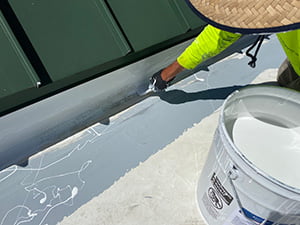
Shark Commercial Roofing Systems applies commercial roof coatings for Pasadena, CA, buildings, and the first question on any coating project is whether the existing roof is a sound candidate. A coating forms a continuous protective layer over a roof that is still fundamentally sound. It does not correct ponding caused by drainage defects, rotten decking or saturated insulation, and coating over those problems only hides them.
This guide covers what coatings can do, how to judge whether your roof qualifies, how the work is prepared and checked, and what the other services around a coating project look like. For background on the two main materials, see our pages on acrylic roof coating details and the silicone restoration service page.
Benefits of Coatings
A coating cures into a continuous surface over prepared roofing, although seams, fasteners and flashings must be repaired and detailed before application. That continuous surface helps shed water and shields the roof from sun exposure, which is a real concern on Pasadena rooftops that spend long summers in direct light.
Reflective coatings can also reduce the heat a roof absorbs, which may lower cooling demand. How much that matters depends on the building, its insulation and how its systems are used, so any savings estimate should be treated as building-specific rather than promised. Lifespan works the same way. A coating can protect and extend the service life of a roof that is in good condition underneath, but it cannot guarantee a set number of years.
Coating also leaves the existing roof in place, which can avoid the tear-off that replacement requires. That is a reason to consider it only after the roof has been shown to be a suitable candidate. Shark’s silicone and acrylic pages describe the two materials, and the Pasadena-specific silicone roof coating guide for Pasadena goes deeper on when silicone fits.
Is Your Roof a Sound Candidate?
Condition matters more than age. The table below shows what to confirm before a coating is chosen over repair or a replacement review. Each point should be backed by findings from the roof, not assumptions.
| Condition | What to confirm | Coating may fit when | Look at repair or replacement when |
|---|---|---|---|
| Moisture in the roof system | Moisture screening results, and a direct check of any area the screening flags | Wet areas are limited and can be repaired before coating | Insulation is saturated over a large area or wet material cannot be removed |
| Adhesion and surface | Condition of the existing membrane or prior coating, and whether it can be cleaned and prepared | The surface is sound and bonds after cleaning and preparation | A failed earlier coating is peeling in sheets or the surface cannot be made ready |
| Substrate and decking | Soft spots, damaged deck areas, open seams and the condition of flashings | Damage is localized and can be repaired before coating | Decking is rotten or damage is widespread |
| Drainage and ponding | Where water stands, how long it stays and whether drains and scuppers are clear | Drainage defects have been corrected and any remaining ponding suits the coating chosen | Ponding is persistent and caused by slope, settlement or a drainage design problem |
| Compatibility with the existing roof | Roof type, earlier repairs and the materials already on the roof | The existing materials accept the chosen coating after preparation | The assembly cannot be made compatible with a coating system |
Moisture screening is the usual starting point. A moisture investigation may include noninvasive screening and direct verification where needed. An infrared anomaly alone is not proof of wet insulation, so flagged areas must be evaluated before choosing an appropriate repair or coating scope.
Material choice follows condition. Acrylic is widely used on sound roofs with good drainage, while silicone is often considered where occasional ponding occurs. Neither material turns a drainage defect into a solved problem, and the right choice depends on what the evaluation finds.
Preparation, Repairs and Application
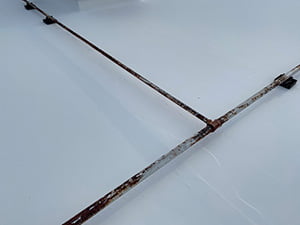
Coating results depend on the work done before the first coat goes on. The roof surface is cleaned so the coating can bond, damaged areas are repaired, and seams, flashings and penetrations are detailed. Wet or damaged material is addressed first, because a coating cannot dry out or strengthen what it covers. Small leaks and open seams are handled through commercial roof repair before application, not after.
Drainage needs its own attention. If water stands because of slope, settlement or blocked drains, the cause is corrected separately, and Shark’s page on drainage solutions explains that side of the work. Weather also matters, since coatings are applied in suitable conditions and a project schedule should allow for delays.
After application, the finished work should be checked against the proposal. Ask who inspects the coating, what is being verified, and what documentation you will receive. A follow-up inspection after the first season can help identify early concerns, and a coated roof still needs regular care. Shark’s roof maintenance services cover inspections, cleaning and minor repairs for Pasadena buildings.
Safety
Roof work is hazardous, and coating projects add their own concerns, including working at height, handling coating materials and keeping occupants and the public clear of the work area. Safety planning should be part of any proposal, covering fall protection at edges and openings, material handling and how access to the building is managed while the work is under way. Ask a contractor how they plan to protect crew, tenants and property before work begins.
Targeted Solutions
Every commercial building has different needs, and no single roofing approach fits all of them. A retail store, an industrial complex, an office building and a hospital each carry different priorities for access, noise, occupancy and downtime. The property owner should compare the proposed coating with other practical roofing scopes, considering how access, occupancy, existing leaks and future maintenance will affect the project.
Other Services
In addition to coatings, related commercial roofing work may include maintenance, roof investigation and installation, depending on the building and agreed project scope. That range matters on a coating project, because repairs before application and inspections afterward are part of what keeps the coating working. The written scope should identify who is responsible for each part, particularly existing repairs, coating application and follow-up checks.
Commercial Roof Coating in Pasadena, CA
Shark Commercial Roofing Systems serves Pasadena commercial property owners with acrylic and silicone coating and restoration services as part of its broader commercial roofing work. If you are weighing a coating for your Pasadena building, call (213) 466-0074 or contact us to talk through your roof’s condition and what a sound proposal should include.
Frequently Asked Questions
Can a coating fix a roof that has ponding water?
Not by itself. Coating does not correct ponding caused by slope, settlement or blocked drains, and the cause needs to be addressed separately before or alongside the coating.
What roof conditions make coating a poor choice?
Rotten decking, saturated insulation over a large area, a failed earlier coating that cannot be removed or a roof that cannot be made compatible all point toward repair or replacement instead.
Will a roof coating lower my energy bills?
It may. Reflective coatings can reduce heat absorption, but savings depend on the building, its insulation and its cooling systems, so they should not be assumed.
What should a coating proposal include?
The area to be coated, the repairs and preparation included, how drainage and wet material are handled, how the finished work will be inspected and what follow-up maintenance is expected.