

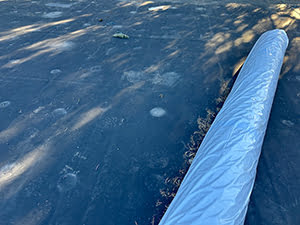
A commercial roof protects everything under it, from inventory and equipment to the people working inside. Its drainage, seams and flashing details also affect whether water reaches the occupied space. Shark Commercial Roofing Systems is a family-owned commercial roofing company that has served customers since 1983 from its headquarters in Van Nuys.
This guide covers the basics: the main types of commercial roofs, how they differ, and what each means for inspection, repair, coating and replacement decisions. Knowing what is on your roof makes every conversation with a contractor more useful. For questions about a specific building, call (213) 466-0074.
Shark Commercial Roofing Systems’ Professionals
Shark Commercial Roofing Systems works on commercial roofs through roof repair, preventive maintenance, acrylic and silicone roof coatings, full roof replacement and drainage solutions. Its work covers commercial properties in the Los Angeles area.

Most decisions start with an inspection. A thorough inspection looks at the membrane or panels, seams, flashings, drains and penetrations, and Shark inspections can include drone-based infrared imaging by a licensed pilot when the roof and conditions suit the method. Thermal anomalies can flag areas for further investigation but do not, by themselves, establish where insulation is wet. A useful report separates observed defects, suspected moisture, recommended confirmation and repair priorities. Maintenance can then address identified defects before they develop further.
Commercial Roofing Types
Commercial roofs are not interchangeable. Many are low-slope or nearly flat, and they fall into a few families. Single-ply membranes such as TPO, EPDM and PVC are factory-made sheets installed over insulation and a deck. Asphalt-based systems, including modified bitumen and built-up roofing, rely on layered sheets and bitumen. Metal panel roofs use steel or aluminum panels fastened to the structure. Liquid-applied coatings are included below as a treatment category, not as a substitute for an entirely new structural roof assembly. Shark’s roof systems page covers TPO, EPDM and PVC in more detail.
| Roof type | How it is built | What owners should know | Common upkeep |
|---|---|---|---|
| TPO single-ply | A white or light-colored thermoplastic sheet, with seams joined by heat welding | Reflective color can reduce solar heat gain; cooling effects depend on the building, and seams and flashings require proper detailing | Seam and flashing checks, drain cleaning, prompt repair of punctures |
| EPDM single-ply | A black or white synthetic rubber sheet, with seams joined by adhesive or tape | Flexible and widely used on large flat roofs; seams and penetration flashings need regular attention | Seam checks, patching of tears, keeping debris off the membrane |
| PVC single-ply | A thermoplastic sheet with heat-welded seams | May suit some grease or chemical exposure when the exact product is approved for it | Seam inspection, flashing checks, drain cleaning |
| Modified bitumen | Asphalt-based sheets reinforced with fabric or fiberglass, installed in one or more layers | Sheet laps, flashings and surface wear need monitoring; the approved installation method depends on the assembly | Surface and seam inspection, resealing of laps, drain maintenance |
| Built-up roof (BUR) | Alternating layers of bitumen and reinforcing fabric with a surfacing on top | Layered assemblies have different repair methods; blisters, splits and exposed reinforcement require assessment | Look for blisters, splits and exposed felts; repair early |
| Metal panel | Steel or aluminum panels joined at seams and fastened to the structure | Panel seams, fasteners, sealants and flashings must match the roof design and are important inspection points | Fastener and sealant checks, panel and flashing inspection |
| Coated roofs (acrylic or silicone) | A liquid-applied coating over a suitable existing roof | Restoration of a suitable existing roof, not a new roof type; product-specific ponding, adhesion and moisture limits still apply | Check adhesion, wear, drainage and details; future recoating only if appropriate |
Flat and Low-Slope Roofs
Flat roofs make good use of space and can carry HVAC units and other equipment, but they only work if water leaves the roof. Low-slope roofs need a designed drainage path toward drains, scuppers or gutters. When drains clog or low areas develop, persistent water can affect details and the suitability of proposed repair or coating materials. Keeping drains clear, and checking for low spots, is some of the most useful upkeep a flat roof can get.
Single-Ply Membranes
TPO, EPDM and PVC are the most common single-ply choices. TPO is typically white and reflective, EPDM is a rubber membrane, and PVC is often used where grease or chemical exposure is a concern. For each system, installers must match seam and patch methods to the membrane. Leak investigations frequently include seams, flashings around curbs and vents, and areas where service traffic has damaged the surface; a leak stain alone cannot locate the entry point.
Modified Bitumen and Built-Up Roofs
These asphalt-based systems use reinforced sheets or built-up layers, with surfacing that protects the underlying bitumen. Laps, blisters, splits, flashings and exposed reinforcement have different repair implications. Small surface defects can sometimes be corrected locally, but a repair decision should account for moisture and the surrounding assembly.
Metal Roofs
Metal panel roofing is another commercial roof family, with distinct attachment and flashing methods. Reflective finishes may reduce solar heat gain, but actual cooling effects depend on the building. Metal roofs are not maintenance-free. Fasteners can back out, sealants can age, and seams and flashings need regular checks. How a metal roof is repaired depends on the panel profile and how it is fastened, so a roof-specific assessment is needed before deciding on repairs.
Restoration Coatings
Acrylic and silicone coatings may be liquid-applied to a sufficiently sound, dry and compatible existing roof. Surface preparation, adhesion, existing seams and underlying moisture must be evaluated first. Some silicone products tolerate standing-water exposure better than some acrylic systems, but suitability and warranty conditions depend on the exact formulation and approved substrate. A coating cannot repair saturated insulation or a failing deck.
Choosing Between Repair, Coating and Replacement
Roof type is only part of the picture. The next question is condition. A verified isolated defect on an otherwise serviceable roof may support repair. A roof that is aging but still sound may be a candidate for a coating. Widespread wet insulation, recurring failure or deteriorated decking may require replacement. A roof stain is evidence of a problem, not proof of the entry point or the appropriate treatment. Confirm the cause and scope before authorizing irreversible work.
Owners can keep a simple roof file: roof type and assembly if known, installation and repair dates, maintenance reports, interior stain locations, available photographs and any warranty documents. Occupants can record stains or drips from safe areas; rooftop access, testing and repairs belong to qualified personnel. Written contractor findings should distinguish observations from assumptions and say when concealed-condition checks are needed. Warranty terms vary, so verify the specific documents rather than assuming coverage.
What an Owner Can Observe and What Needs Inspection
From inside a building or another safe location, an owner may notice ceiling stains, new drips, overflowing downspouts or roof water remaining visible after rain. These observations help identify where to investigate, but they do not establish which membrane layer or flashing has failed. A contractor can inspect seams, penetrations, drain conditions and accessible insulation indicators, then propose any needed testing before recommending repair, coating or replacement.
Ask for a description of the observed conditions, areas not accessed, likely causes, the limits of any thermal or visual findings and the proposed work. That creates a useful starting point for comparing a localized repair with a larger restoration or replacement scope, without assuming one roof type is always the right answer.
Next Steps
The first step is knowing what you have. If you are not sure what type of roof is on your building, an inspection can identify it and document its condition. To discuss your building, contact Shark Commercial Roofing Systems or call (213) 466-0074.
Frequently Asked Questions
What is the most common type of commercial roof?
Many commercial buildings have low-slope roofs, commonly using single-ply membranes, modified bitumen or built-up systems. The appropriate system depends on the building.
How can I tell what type of roof my building has?
Look at the surface and the seams. Visible seams, surfacing and panel profiles offer clues, but similar-looking materials can require different repairs. A contractor can confirm the roof type and assembly.
Can an existing commercial roof be coated instead of replaced?
Sometimes. A compatible coating can restore some sound, dry roof assemblies; moisture, adhesion, drainage and existing damage must be evaluated first.
Does roof type change how often a roof needs inspection?
Inspection timing depends on the system, its condition, rooftop traffic, weather events and any applicable warranty obligations. Follow the specific documented schedule.