

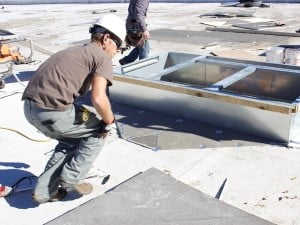
Choosing a commercial roofing contractor in Pasadena, CA should involve more than comparing price or accepting a list of credentials at face value. Building owners and facility managers should verify the contractor’s legal qualifications where required, relevant commercial experience, training, references, written scope, exclusions, communication process, and warranty terms before approving work. Shark Commercial Roofing Systems serves Pasadena and can be reached at 213-466-0074 to discuss a commercial roofing project.
How to Vet a Commercial Roofing Contractor
Verify Required Licensing and Current Insurance
Start by confirming any license or registration that applies to the project through the appropriate state or local authority rather than relying only on a number printed on a proposal. Licensing requirements can vary by jurisdiction and project type, so the useful question is whether the contractor meets the requirements that actually apply to the work being considered.
Insurance should also be verified rather than assumed. Ask what coverage the contractor carries, request current evidence, and confirm that the documentation matches the company performing the work. Property owners should avoid treating a general statement such as “fully insured” as a substitute for current documentation.
Ask for Training Relevant to the Proposed Roof System
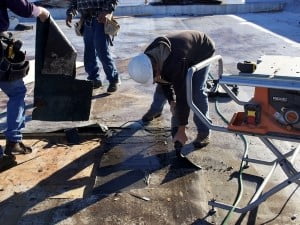
A contractor’s experience should match the roof and scope being proposed. Ask what training the crew has for the type of membrane, coating, flashing, repair, or restoration work involved and how that training is documented. The important point is not collecting the longest list of credentials, but confirming that the people performing the work understand the system and methods being proposed.
Commercial roofing also involves rooftop access, fall hazards, equipment, penetrations, and occupied-building concerns. Ask how the contractor plans for site safety and how responsibilities are coordinated around other trades or rooftop equipment.
Check Similar Project Experience and References
References are most useful when they involve work similar to the proposed project. Ask for recent commercial examples that reflect a comparable building type, roof condition, or scope, then contact the references instead of treating the list as a formality. Useful questions include how clearly the contractor communicated, whether changes were documented, how disruptions were handled, and whether the final work matched the written scope.
Photos and project documentation can also help show relevant experience, but they should not replace direct questions about what the contractor actually performed on those projects.
Compare the Written Scope, Not Just the Bid Total
A useful commercial roofing proposal should identify the work being recommended, the roof areas involved, the materials or system, preparation, flashing and penetrations, drainage-related work when applicable, cleanup, schedule assumptions, and how concealed conditions will be handled.
Exclusions deserve the same attention as included work. Ask whether deck or substrate repair, wet insulation, equipment coordination, disposal, access limitations, permits when applicable, and other foreseeable items are included or excluded. If unexpected conditions are found, the proposal should explain how changes will be documented, priced, and approved before additional work proceeds.
A lower total may reflect a narrower scope rather than a better value. Comparing the written assumptions and exclusions helps an owner understand whether competing bids describe the same project.
Evaluate Communication Before the Project Starts
Early communication can reveal how the project may be managed later. Ask who will be the primary contact, how schedule changes will be communicated, who can approve changes, and how the contractor will document findings that affect the scope. For an occupied commercial property, the proposal should also address access, staging, rooftop equipment, and operational restrictions when they are relevant.
Professionalism is better judged through specific behaviors than through broad promises. Clear answers, documented decisions, and consistent follow-up are more useful signals than sales language about being the best or most reliable contractor.
Read Warranty Terms Before Accepting Them
Warranty coverage can vary by contractor, material, system, and project. Ask who issues each warranty, what work or materials it covers, the applicable term, exclusions, maintenance obligations, and any registration, inspection, or documentation requirements. Do not assume a material warranty and a workmanship warranty cover the same problems.
The written warranty should control the comparison. A contractor should be able to explain which obligations belong to the contractor and which belong to another party without promising coverage that is not stated in the documents.
Choose a Contractor Based on Verifiable Project Fit
The strongest contractor choice is supported by evidence that fits the building and proposed work. Verified qualifications, relevant training, comparable references, a detailed scope, clear exclusions, documented change procedures, and understandable warranty terms give an owner a better basis for comparison than price alone.
Shark Commercial Roofing Systems provides commercial roofing services in Pasadena and other approved Southern California markets. Call 213-466-0074 to discuss the building, the proposed scope, and the information you need before selecting a contractor.
Frequently Asked Questions
What should I verify before hiring a commercial roofing contractor?
Verify applicable licensing or registration, current insurance documentation, relevant commercial experience, training, references, written scope, exclusions, change procedures, and warranty terms.
How should I compare commercial roofing proposals?
Compare the same categories in writing, including roof areas, materials, preparation, flashing, drainage work, exclusions, concealed-condition handling, schedule assumptions, cleanup, and warranties.
What makes a contractor reference useful?
A useful reference involves a similar commercial project and can speak to communication, documented changes, project coordination, and whether the completed work matched the agreed scope.
What should I ask about a commercial roofing warranty?
Ask who issues it, what it covers, how long it applies, what is excluded, what maintenance or documentation is required, and how workmanship coverage differs from material or system coverage.