


A commercial roof maintenance plan is most useful when inspection findings turn into specific work, deadlines and follow-up records. The aim is to recognize defects before they are overlooked, not to promise that every leak can be prevented. Shark Commercial Roofing Systems has served commercial buildings since 1983, and its roof maintenance services include evaluations, preventive upkeep and attention to defects identified during visits.
This article explains how an owner can turn findings into a usable seasonal and post-storm maintenance schedule. It separates safe building-staff observations from roof-level contractor work, identifies follow-up triggers, and shows what to record when a repair is completed or deferred. To discuss a maintenance plan, call (213) 466-0074.
Reasons Behind Ignoring Roof Maintenance
Maintenance work can slip when a building has competing priorities or no clear owner for follow-up items. A property manager might receive an inspection report but have no agreed repair scope, completion date or recheck point. A schedule helps distinguish the defect that needs attention now from wear that can be photographed and reviewed at a planned visit.
Worn sealants, loose flashing and blocked drains can become sources of water entry, although not every observed condition demands immediate repair. A good record ties each finding to its location, recommended action and an assigned follow-up. See the separate commercial roof repair service when a confirmed defect needs a defined repair scope. Preventive work cannot make a roof leak-proof, but it can make decisions and responsibilities clearer.
Signs that You Require Roof Maintenance Services
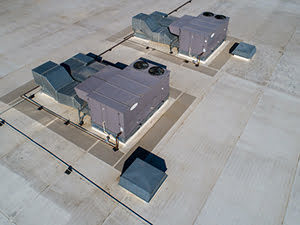
Building staff can notice symptoms from a safe interior or ground-level position. These observations should be logged, but they do not replace roof-level inspection or prove the cause of a defect.
- Visible wear. Lifting edge material, displaced flashing or surface changes visible from a safe vantage point. Small membrane defects may not be visible from below.
- Stains on walls or ceilings. These mark where water appeared, which may be some distance from where it entered, so an inspection should trace the source.
- Musty odors, mold or mildew. These warrant building-condition review, but they do not by themselves establish that the roof is the moisture source. When a separate moisture or mold response is warranted, see the company’s mold and water-damage services.
- A sudden rise in energy bills. Energy use has many possible causes, so a higher bill alone is not proof of wet insulation or roof deterioration. Acrylic roof coatings are a separate restoration option for roofs that meet moisture, adhesion and compatibility requirements.
- Standing water after rain. Note where water appears and when surrounding areas have drained. The contractor should check whether the cause is debris, outlet condition, roof slope or another issue. See the commercial drainage solutions page for system-level work.
- Roof age. Consider age together with repair history, installed system, rooftop activity and prior inspection findings; age alone does not establish failure.
A Seasonal and Post-Storm Maintenance Schedule
The table is a planning framework rather than a universal schedule. Timing and priorities should reflect the roof system, observed defects, prior repairs, weather exposure and any actual warranty requirements. Facilities staff should not access the roof for these checks; roof-level tasks belong to trained personnel.
| When | Safe owner observations (from inside or the ground) | Contractor work | Priority and follow-up trigger |
|---|---|---|---|
| Fall, before the wet season | Note old stains, musty odors and any areas where water lingered last year; photograph them with the date | Full inspection of seams, flashings, penetrations and drains; clear debris from drains; minor repairs | Prompt if a blocked outlet, open seam or active leak is confirmed; document the approved work |
| After each significant storm | Look for new ceiling stains, drips and standing water visible from the ground; photograph anything new | Targeted check of the area above any new stain; confirm drains are flowing | Prompt for active leakage or visible damage; log drainage concerns for professional assessment |
| Spring, after the wet season | Compare stains and photos with the fall record; note any new odors | Follow-up inspection, moisture scan where warranted, documented condition report | Schedule confirmed defects and compare them with the prior inspection record |
| Summer | Note hot spots in upper-floor spaces and unusual cooling demand | Review reflective surfaces and insulation condition if energy use has risen | Investigate notable changes rather than attributing utility use to the roof without evidence |
| Any time a new problem appears | Record the date, location and weather; keep people off the roof | Assessment of the roof above the symptom, with findings in writing | Prompt for an active leak or safety concern; otherwise assess and assign a review date |
Turn Each Finding Into an Action
Give every inspection finding a consistent identifier or location reference. Record whether the next step is repair, further investigation, monitoring or no action. Then assign the responsible party, decision date and a follow-up trigger. An open flashing termination and a lightly weathered but intact membrane should not be placed on the same urgency list simply because both were photographed. The decision should be tied to the observed condition.
When a contractor completes work, compare the closeout description to the original item. Note the actual repair area and material used, the completion date, and whether access or weather prevented any part of the planned scope. If a suspected wet area was not confirmed, record that limit as an unresolved condition instead of describing it as fully repaired.
Keeping a Record
A maintenance routine is only as useful as its records. After each visit, retain the dated report, photos or marked roof plan, actions approved, items completed and items deferred. A useful list identifies location, observed condition, priority, responsible party and the next review trigger. Compare photographs from the same reference points when possible. Separate an inspection date from the date a repair was actually completed.
Warranty inspection, notice and maintenance obligations differ by product and contract, so read the actual documents before setting a calendar. Retain invoices and accepted repair records with any warranty paperwork. A sequence of recurring defects in the same area may justify more investigation, while widespread failures or confirmed underlying damage could prompt a separate discussion about commercial roof replacement. Maintenance records inform that decision; they do not determine it alone.
Start a Maintenance Plan
Shark Commercial Roofing Systems serves commercial properties across the Los Angeles area. An initial roof evaluation can identify the existing system, prior defects and drainage conditions. Where justified, Shark’s assessments may include infrared drone scanning by a licensed pilot; temperature patterns indicate areas for further investigation and do not by themselves prove wet insulation. Ask which findings will be documented and how any suspected concealed condition will be confirmed. To set up an inspection, contact Shark Commercial Roofing Systems or call (213) 466-0074.
Frequently Asked Questions
How often should a commercial roof receive maintenance?
A pre-rainy-season and post-rainy-season review can provide useful checkpoints, with additional assessment after significant weather or new leaks. The actual schedule depends on the roof, repair history and warranty terms.
What can building staff safely check themselves?
Staff can note stains, odors, standing water and visible wear from inside the building or the ground. They should not go onto the roof, and contractors handle all roof-level checks.
Does maintenance prevent every leak?
No. Maintenance can identify conditions that deserve repair or monitoring, but it cannot eliminate weather exposure or guarantee that leaks will never occur.
What records should be kept?
Keep dated inspection findings, location photos, approved work, completion dates, unresolved items, follow-up triggers and applicable warranty documents. These distinguish planned work from completed work.