

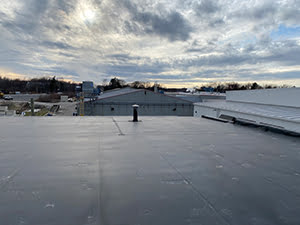
A commercial roof inspection is only as useful as the evidence the owner receives from it. Shark Commercial Roofing Systems performs commercial roof inspections, and the goal is a clear record of the roof’s condition that tells you what to do next: maintain, repair, restore or plan for replacement.
This guide explains why inspections matter, what a thorough inspection covers and what a good report should contain. It also covers when thermal findings need confirmation, who should receive the report and how it leads to a scoped estimate. For Shark’s inspection service itself, see its page on roof inspection in Van Nuys.
The Importance of Commercial Roof Inspection
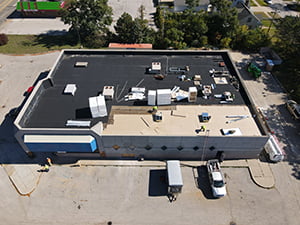
A commercial roof is a major investment, and its condition affects the building, its contents and the people and operations inside. Water that gets past a failing seam or flashing detail often spreads through insulation before it shows up as a stain, so a problem can be well advanced by the time anyone notices it inside.
Regular inspections may identify conditions before obvious interior damage appears. Successive documented inspections can show whether a flagged area is stable or getting worse. That record is what turns an inspection from a one-time visit into a basis for maintenance planning, repair decisions and budgeting.
Components of a Commercial Roof Inspection
If you are considering a roof inspection service, it helps to know the main parts of the process and what each one is looking for.
Roof Surface and Membrane Inspection
The inspector evaluates the roof surface for visible damage, punctures, blisters, open seams and areas affected by ordinary wear. On flat and low-slope roofs, the condition of the membrane or coating is a central part of the assessment.
Flashing and Edge Details
Flashing and edge details are common leak points. The inspector checks that they are securely attached, sealed and free from cracks, gaps or separation from the walls and edges they protect.
Roof Penetrations
Vents, pipes, curbs and rooftop equipment penetrate the roof and are inspected for failed sealant, damaged boots and compromised seals. Properly sealed penetrations are essential to keeping water out.
Gutters and Drainage Systems
Water needs a clear path off the roof. The inspector looks at gutters, drains and scuppers for blockages or damage, and notes where water is standing. Persistent ponding can point to a drainage problem, which Shark’s drainage solutions page describes.
Interior Inspection
The interior is checked for signs of roof-related moisture, such as ceiling or wall stains, mold growth or musty odors. A stain shows where water appeared and does not by itself show where it entered the roof, so interior findings are matched against what is found on the roof.
Structural Assessment
The inspector looks for visible signs that the roof may not be carrying its loads properly, including sagging, ponding water and damaged or deteriorated structural elements. Observations like these may call for a further evaluation by the appropriate specialist.
Documentation and Reporting
Inspection findings should be captured in a written record. The report becomes a reference for the property owner and a starting point for maintenance planning. The next section outlines what it should contain.
What an Inspection Report Should Contain
A useful report documents what was seen, where it was seen, how certain the finding is and what to do about it. The outline below shows the elements an owner should expect, along with the limits of each and how the owner can use it.
| Report element | What it should show | Limits to note | How the owner uses it |
|---|---|---|---|
| Dated photographs | Each finding photographed with the date and a clear reference to where on the roof it was taken | Photos show surface conditions and cannot show what is hidden beneath the membrane | Compare conditions between inspections and show a contractor exactly what was found |
| Defect locations | A plan or sketch of the roof with each defect marked and numbered to match the photographs | A location marks where a defect was seen, not necessarily where water enters | Scope repairs by area and confirm each item was addressed afterward |
| Moisture findings and limitations | Where moisture was detected or suspected, the method used and how the finding was confirmed | Screening methods indicate likely wet areas but do not prove how much insulation is saturated | Decide which areas need a direct check before repair, coating or replacement is chosen |
| Prioritized actions | Findings sorted by urgency, such as immediate repair, planned repair, monitoring and further investigation | Priority reflects conditions on the day of the inspection | Budget and schedule work in a sensible order |
| Reinspection triggers | The conditions that should prompt another look, such as after a major storm, after repairs or when a flagged area changes | Triggers are guidance and do not replace regular scheduled inspections | Know when to call for a follow-up without waiting for a leak |
General comments alone may not offer enough detail to compare proposed work or to tell later whether conditions have changed. Ask to see the report format before the inspection is scheduled.
When Thermal Findings Need Confirmation
Shark’s inspections can include full-surface infrared scanning by a licensed drone pilot, depending on the property and the question being answered. Infrared imaging helps locate areas where the roof may hold moisture, and it can help document temperature patterns across the roof without relying solely on close-up visual observations.
A thermal anomaly is an indicator, not proof. Temperature differences can come from wet insulation, but also from differences in materials, shading, surface color or time of day. A report should say how each flagged area was confirmed, whether by a direct check, a core sample where appropriate or another system-specific method, and should not treat an unconfirmed thermal pattern as a finished diagnosis before a repair or replacement decision is made.
Who Receives the Report and How It Leads to an Estimate
The report should go to the person who makes the decision for the building, which may be the owner, property manager or facilities lead, and to anyone who will need it for budgeting or insurance purposes. Keep a copy with the roof’s records so later inspections and repairs can be compared against it.
A good report makes the next estimate more specific. When defects are located and prioritized, a contractor can scope repairs by area instead of guessing, and commercial roof repair estimates can be tied to the numbered findings. The same report helps show whether a restoration or replacement conversation is warranted, rather than a series of small repairs.
Why Hire Shark Roofing Systems for Roof Inspection?
Shark Commercial Roofing Systems has been in business since 1983 and provides commercial roofing services that include inspections, maintenance, repairs, coatings and replacement. Inspection findings can be used to identify maintenance priorities and discuss the scope of any further roofing work. Ask what documentation the inspection service includes before making decisions. You can see examples of commercial projects in the gallery of Shark’s work.
Schedule a Commercial Roof Inspection
To talk through an inspection for your building and what the report will include, call (213) 466-0074 or contact us.
Frequently Asked Questions
What should a commercial roof inspection report include?
Dated photographs, marked defect locations, moisture findings with their limitations, prioritized actions and reinspection triggers, so the owner can plan the next maintenance, repair or replacement step.
Does a thermal scan prove there is wet insulation?
No. A thermal anomaly shows where to look. The finding should be confirmed with a direct or system-specific check before it drives a repair or replacement decision.
Who should receive the inspection report?
The person who decides and budgets for the building, such as the owner or property manager, plus anyone who needs it for planning or records.
How does an inspection report lead to an estimate?
Located and prioritized findings let a contractor scope repairs by area, and they show whether the roof calls for repairs, maintenance, restoration or a replacement discussion.