

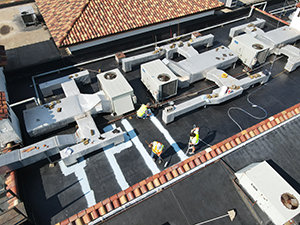
For commercial property owners in Chino, CA, roofing decisions play a far greater role than just protecting the building, they directly influence operational costs, long-term budgeting, and even insurance premiums. Insurance carriers evaluate a roof’s age, condition, materials, and risk factors before determining commercial coverage rates. Understanding how commercial roofing affects your insurance costs allows you to make informed decisions that protect both your building and your bottom line. For expert roofing guidance or service, contact Shark Commercial Roofing Systems at 213-466-0074.
How Commercial Roofing Impacts Your Building’s Insurance Rates
Why Insurance Companies Care About Your Roof
Commercial roofs are one of the most significant components of a building’s risk profile. A roof in poor condition increases the chances of water intrusion, structural damage, mold growth, and business interruption – issues that often lead to costly insurance claims. Because of this, insurers pay close attention to the stability and reliability of a roof before finalizing rates or offering coverage.
A well-maintained or newly upgraded commercial roofing system provides insurers with confidence that your property is protected from common hazards. This can translate into lower premiums, expanded coverage options, and fewer policy restrictions.
Roofing Materials and Their Influence on Insurance Rates
Durability and Risk Reduction
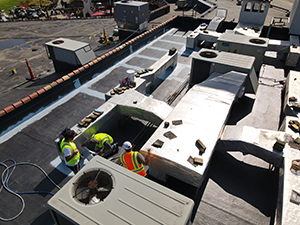
The materials used on a commercial roof can heavily influence insurance premiums. Insurers favor roofing systems that are durable, long-lasting, and resistant to common risks such as fire, wind, hail, and UV exposure.
For example, materials such as metal, TPO, and PVC are known for their longevity and resilience. These roofing systems typically have fewer repair needs and offer strong protection against weather-related damage, which can help lower insurance costs. Buildings with older or less durable roofing materials may face higher premiums due to an increased likelihood of claims.
Fire and Impact Resistance
Many insurance carriers reward buildings with roofs that have Class A fire ratings or high impact-resistant ratings. These features significantly reduce risk, especially in regions where wildfires, high winds, or falling debris are concerns.
In Chino, CA, where exposure to sun and heat can accelerate roof wear, choosing heat-resistant and fire-rated materials helps keep your building safer while also appealing to insurers.
Energy Efficiency and Insurance Considerations
While insurance companies primarily look at safety and durability, energy-efficient roofing systems can indirectly affect premiums. Cool roofs, reflective membranes, and well-insulated roofing systems limit heat absorption and reduce strain on HVAC systems, lowering the risk of overheating or electrical issues.
Some insurers view energy-efficient roofs as a sign of proactive property management, which can positively influence premium evaluations.
How Roof Condition Affects Premiums and Coverage
Older Roofs Mean Higher Risks
Age is a major factor in insurance rate calculations. Most carriers increase premiums when a roof is approaching the end of its useful life. Older roofs are more likely to fail during heavy rain, extreme heat, or unexpected weather conditions, leading to costly water damage claims.
If your commercial property has a roof older than 20 years, some insurers may limit coverage or refuse to insure the roof entirely.
Routine Maintenance Can Lower Costs
Commercial building owners who schedule regular maintenance, document repairs, and quickly address damage often benefit from more favorable insurance evaluations. A well-maintained roof shows insurers that the owner is actively minimizing risk.
Maintenance activities include:
- Repairing punctures or membrane tears
- Cleaning drainage systems
- Sealing roof penetrations
- Recoating reflective surfaces
- Addressing flashing deterioration
Even small preventive steps can keep premiums manageable and prevent sudden rate increases.
Evidence of Professional Installation Matters
Insurers also consider workmanship. Commercial roofs installed by certified professionals using proper methods reduce risks of premature failure. Documentation of installation and manufacturer warranties can strengthen your case for lower insurance rates.
Upgrading Your Commercial Roof Can Save You Money Long-Term
Investing in a new roof or upgrading roofing materials is often more cost-effective than continuing to pay elevated insurance premiums due to an outdated or deteriorating system.
Benefits of upgrading include:
- Lower risk of leaks and structural damage
- Enhanced fire and weather resistance
- Improved energy efficiency
- Eligibility for a wider range of insurance carriers
- Potential for reduced deductibles and premiums
For commercial buildings in Chino, CA, these benefits can significantly impact long-term financial planning.
Commercial Roofing Experts
Your commercial roof plays a major role in determining your insurance rates. By selecting durable materials, maintaining the roof properly, and upgrading aging systems, you can reduce risk and potentially lower your premiums. Commercial property owners in Chino, CA can protect their investments and maximize savings by staying proactive with roofing decisions. For professional guidance on choosing and maintaining a roofing system that supports insurance goals, contact Shark Commercial Roofing Systems at 213-466-0074.
FAQ
Which commercial roofing materials offer the best insurance advantages?
Materials such as metal, TPO, and PVC are known for durability and fire resistance, making them favorable to insurers.
Can upgrading an old roof reduce my insurance premiums?
Yes. Many insurers reward building owners who invest in safer, more reliable roofing systems by offering improved rates.
How does roof damage affect insurance coverage?
Unaddressed damage increases risk and may lead to coverage limitations, exclusions, or higher premiums from insurers.
Why do insurers require roofing documentation?
Documentation helps insurers verify installation quality, materials used, and maintenance history to assess risk accurately.