

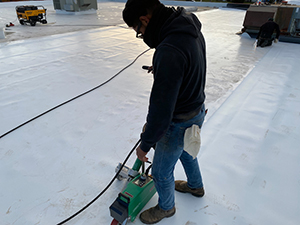
A commercial roof protects the operations, employees, customers and assets inside the building. Shark Commercial Roofing Systems has worked in commercial roofing since 1983, and deferred roof defects can become more extensive when water spreads into underlying materials.
This page explains what actually happens when commercial roofing service is put off, which evidence shows how far a problem has progressed, and which signs mean it is time to act. To talk through a specific building, call (213) 466-0074.
Risks of Ignoring Commercial Roofing Service
Structural Damage and Repair Costs
Leaks, punctures and worn flashings can become more extensive if the source is left unaddressed. Water that gets past the membrane can saturate insulation, soften the roof deck and reach ceilings, wiring and finishes. Persistent dampness can create conditions for microbial growth in affected materials. A repair that might have been limited to one detail can grow into removal of saturated materials and interior restoration.
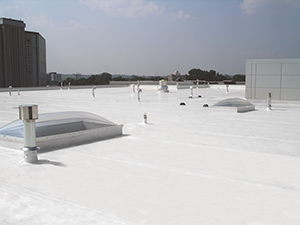
Sun, rain and temperature swings work on every commercial roof. Routine inspections and maintenance catch worn sealants, loose flashings and clogged drains before water entry affects additional areas.
Operational Disruptions and Downtime
A leak affects the business as well as the building. Water can damage inventory, create unsafe walking surfaces and force areas to close while cleanup happens. Odors and visible stains also affect how customers and tenants see the property. Planned repairs can be scheduled around operations, whereas emergency repairs usually cannot.
Higher Energy Use and Reduced Efficiency
Wet or damaged insulation may lose thermal performance, and soiled or worn reflective surfaces may alter solar heat gain. The effect on energy use cannot be inferred from the roof surface alone; interior conditions, equipment operation and insulation condition also matter. Addressing a leak is justified by its water-entry risk even when no energy savings can be established.
Shortened Roof Lifespan
Roof service-life estimates depend on system type, installation, exposure and upkeep. When maintenance is delayed, ponding water, debris and weathering can contribute to deterioration: coatings wear, seams can separate, fasteners loosen and membranes age. When that happens, an owner may face replacement sooner than planned, which is among the largest capital costs a commercial property carries.
What the Evidence Shows, and Where It Stops
Each consequence above leaves evidence an inspection can find, and each has limits on what that evidence can prove. The table separates the two so decisions rest on what is actually documented.
| Consequence | How it develops | What an inspection can show | What it cannot tell you alone |
|---|---|---|---|
| Water damage inside the building | A worn flashing, open seam or puncture lets water reach insulation, decking and interior finishes | Defect locations and areas of suspected moisture that require confirmation | How long water has been entering, unless earlier dated reports exist |
| Business interruption | Leaks reach inventory, equipment or work areas, and affected spaces may need to be closed for cleanup | Which areas sit beneath compromised sections of roof | How disruptive repairs will be; that depends on access and scope |
| Higher energy use | Wet or compressed insulation and worn reflective surfaces let more heat in or out | Insulation condition and surface wear on the roof | Exact energy cost, which depends on the building and its systems |
| Potential service-life loss | Weathering, ponding water and loose or brittle components speed up membrane deterioration | Membrane, seam and fastener condition compared with earlier reports | A precise remaining life, since age, system and upkeep all matter |
How a Roof Is Assessed Before a Decision
A sound assessment works from the inside out and ends with written findings. Depending on the roof assembly and access, an assessment may include infrared screening. Temperature differences can indicate areas for further investigation but do not establish that insulation is wet. A qualified contractor should confirm suspected moisture with an appropriate method before choosing a repair or restoration scope.
| Assessment step | What it should document |
|---|---|
| Interior check | Stains, damp finishes, visible deck deterioration and reported leak locations |
| Surface review | Seams, flashings, penetrations, drains and areas of standing water |
| Moisture scanning | Thermal images where used, with suspect areas marked |
| Direct confirmation | Suitable moisture testing or limited sampling, where authorized and appropriate, to verify suspected conditions |
| Written findings | Dated photographs, locations and a prioritized scope for repair, coating or replacement |
Signs It Is Time to Act
- A new ceiling stain, drip or musty smell. Treat any of these as a reason to schedule an assessment promptly, since the stain marks where water appeared, not where it entered.
- Standing water that lingers after rain. Persistent ponding stresses seams, and a review of roof drainage can show whether the cause is a drain, slope or debris issue.
- Visible membrane wear. Blisters, cracks, open seams or exposed fasteners call for a closer look.
- Repeated repairs in the same area. This can mean the original water-entry source was not resolved or that surrounding materials need a broader assessment.
- A roof near the end of its expected life. Ask whether a compatible coating is technically suitable or whether replacement should be assessed. Moisture, adhesion and substrate condition matter.
For localized, well-defined defects, targeted roof repair is often enough. The assessment decides where that line falls.
Long-Lasting Commercial Roofing Service
A practical roof care program uses scheduled inspections, prompt assessment of water entry, documented repairs and dated records. Shark Commercial Roofing Systems serves commercial properties across the Los Angeles area, and recommendations follow what the inspection documents. To arrange an assessment, contact us or call (213) 466-0074.
FAQ
How often should a commercial roof be inspected?
Many commercial roofs are inspected twice a year, commonly in spring and fall, and again after severe weather. Older roofs may need more frequent checks.
What signs mean a commercial roof needs attention soon?
Water stains or leaks, blisters or cracks in the membrane, ponding water, sagging areas, damp insulation or mildew odors all warrant an assessment.
Can regular maintenance extend a roof’s life?
It can help. Maintenance can identify defects while they are localized and reduce avoidable deterioration. It cannot guarantee a longer service life or prevent every leak.
What should I do first if my roof is leaking?
Record the location and timing of water entry and arrange a professional assessment. Keep people clear of affected electrical equipment and unsafe ceiling areas. Building staff should not climb onto the roof.