

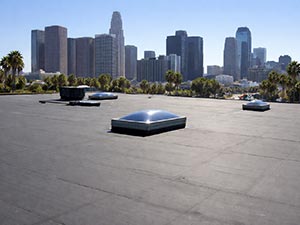
Rubber roofing, commonly known as EPDM (ethylene propylene diene monomer), is a reliable and cost-effective option for flat and low-slope commercial buildings. In a market like Los Angeles where sun exposure, energy efficiency, and long-term performance all matter, understanding rubber roof replacement cost is critical for planning. Whether you are budgeting for a full replacement or evaluating alternatives, this guide from Shark Commercial Roofing Systems breaks down what building owners should expect from rubber roof replacement cost in 2026.
For broader budgeting context, review our guide to flat roof cost per square foot in Los Angeles. You can also read about repair versus replacement costs when considering the scope of work.
To learn more about rubber roof replacement, call 213-466-0074 and speak with a Shark expert today.
Rubber Roof Replacement Cost Los Angeles (2026 Pricing)
Choosing a new roofing system is stressful and making the best decision relies on having the information you need. When considering a rubber roof replacement, cost is one of the pieces of the puzzle.
Rubber Roof Cost vs Other Flat Roofs
When comparing flat roofing systems in Los Angeles, EPDM rubber roofing often lands in the mid-range for cost while delivering strong long-term value.
TPO and PVC systems typically come in at a slightly higher price point due to heat-welded seams and reflective properties. Built-up roofing (BUR) and modified bitumen systems may appear less expensive upfront but often require more maintenance over time.
Rubber roofing stands out for its flexibility, durability, and relatively straightforward installation process. It performs well under temperature fluctuations and resists cracking, which is important even in Southern California where daily heat cycles can still stress roofing materials.
For building owners looking for a balance between affordability and longevity, EPDM remains a practical choice, especially when installed over large surface areas.
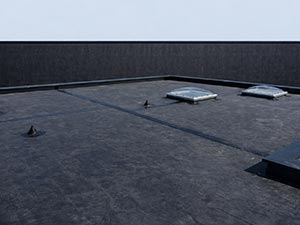
EPDM Rubber Roof Pricing in LA
Rubber roof replacement costs in Los Angeles vary based on building size, accessibility, and the condition of the existing system. On average, commercial EPDM roofing projects fall within a moderate price range per square foot compared to other systems.
Several factors influence total cost:
Roof size plays a major role. Larger roofs typically benefit from economies of scale, lowering the cost per square foot.
Tear-off requirements can increase labor and disposal costs, especially if multiple roofing layers must be removed.
Insulation upgrades may be required to meet California energy codes, adding to upfront investment but improving long-term efficiency.
Roof access and staging conditions in dense Los Angeles areas can also impact labor costs.
Shark Commercial Roofing Systems recommends a detailed inspection before estimating, as hidden moisture or substrate damage can significantly affect final pricing.
Repair vs Replacement Costs
One of the most common questions building owners ask is whether to repair or fully replace a rubber roof. The answer depends on the extent of damage and the age of the system.
Repairs are typically more cost-effective in the short term. Small punctures, seam issues, or isolated leaks can often be addressed quickly with patching or seam reinforcement.
However, if the roof is approaching the end of its service life or experiencing widespread issues, replacement becomes the smarter investment. Repeated repairs can add up quickly and may not address underlying problems like saturated insulation or membrane deterioration.
A professional inspection can help determine whether a targeted repair will extend the life of the roof or if replacement will provide better long-term value. In many cases, proactive replacement avoids unexpected disruptions and emergency expenses.
Rubber Roof Lifespan in Los Angeles
EPDM rubber roofs are known for their longevity, often lasting decades when properly installed and maintained. In Los Angeles, the relatively mild climate compared to other regions can help extend the lifespan of a rubber roofing system.
That said, constant UV exposure is a major factor. Over time, sunlight can cause gradual degradation if the membrane is not properly maintained. Regular inspections and minor repairs can significantly extend service life.
Maintenance programs typically include seam checks, drainage assessments, and inspections for punctures or shrinkage. With consistent care, building owners can maximize their investment and delay the need for full replacement.
Partnering with an experienced contractor like Shark Commercial Roofing Systems ensures that maintenance and repairs are handled proactively, reducing long-term costs.
Best Buildings for Rubber Roofing
Rubber roofing is not a one-size-fits-all solution, but it is particularly well-suited for certain types of commercial properties in Los Angeles.
Warehouses and distribution centers benefit from EPDM due to its cost efficiency on large, open roof areas.
Office buildings and retail centers can take advantage of its durability and low maintenance requirements.
Industrial facilities often choose rubber roofing for its resistance to weathering and ability to handle rooftop equipment installations.
Buildings with minimal foot traffic and simple roof designs tend to get the most value from EPDM systems. However, with proper installation and maintenance, rubber roofing can perform well across a wide range of commercial applications.
Rubber Roof Replacement Cost
Rubber roof replacement cost in Los Angeles depends on several variables, but EPDM continues to offer a strong balance of affordability, durability, and performance. By understanding how it compares to other systems, evaluating repair versus replacement options, and considering long-term lifespan, building owners can make informed decisions.
Shark Commercial Roofing Systems provides detailed inspections and tailored recommendations to help Los Angeles property owners choose the right solution for their buildings and budgets. Call 213-466-0074 and schedule your consultation today.
FAQ
How does EPDM compare to TPO in Los Angeles?
EPDM typically costs less upfront but does not offer the same reflective properties as TPO. However, it excels in durability and flexibility, making it a strong long-term option.
Can a rubber roof be installed over an existing roof?
In some cases, yes. If the existing roof is structurally sound and meets local code requirements, an overlay may be possible, reducing tear-off costs.