

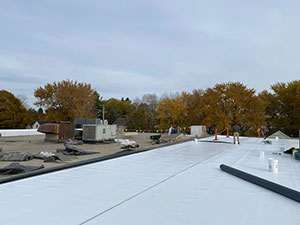
Commercial roofing in Burbank, CA should be evaluated around the building’s actual roof system, current condition, drainage, maintenance history, rooftop activity, and the owner’s plans for the property. A flat or low-slope roof may need maintenance, repair, restoration, or replacement depending on what an inspection finds, so the practical decision is not simply which roofing material sounds best. It is which scope addresses the documented condition without doing too little or more than the roof requires.
Shark Commercial Roofing Systems serves Burbank within its approved Southern California service area and provides general commercial roofing services. Property owners can call (213) 466-0074 to discuss the building, the current roofing concern, and the next evaluation step.
What Should an Owner Confirm Before Choosing a Roofing Scope?
A useful commercial roofing assessment should separate visible symptoms from the evidence needed to choose the next step. One leak, one area of standing water, or one damaged seam can identify where investigation should begin, but those observations do not establish the full repair or replacement scope by themselves.
| Condition to Review | What the Assessment Should Clarify | Why It Matters |
|---|---|---|
| Roof surface and seams | Whether deterioration is isolated or repeated across several areas | A defined defect may support repair, while broader deterioration may require a larger scope |
| Drainage | Whether drains, scuppers, slope, blockage, or settlement are contributing to ponding | A roofing treatment should not be expected to solve an unresolved drainage problem by itself |
| Flashing and penetrations | Whether curbs, walls, vents, edges, or equipment transitions are part of the problem | These details can change the repair method and the area that needs attention |
| Moisture and concealed conditions | What is known and what may require additional investigation | Concealed moisture or substrate damage can expand the work beyond what is visible from the surface |
| Building use and rooftop activity | How access, equipment, foot traffic, and occupied areas affect the project | The roofing scope should fit the building’s operations as well as the roof condition |
Value of Maintenance
The value of commercial roofing maintenance is that it gives owners a chance to address developing conditions before they become harder to manage. From safe areas, an owner or facility team may notice water remaining on the roof after rain, visible debris near drainage areas, interior staining, loose materials, or recurring problems around previously repaired locations.
Those observations are reasons to request an assessment, not instructions to access the roof or diagnose the problem without a contractor. The cause of ponding, leakage, or visible deterioration can involve more than one component. Regular maintenance should therefore follow the installed roof system and the conditions actually found rather than a generic checklist applied to every building.
Pleasing to the Eye
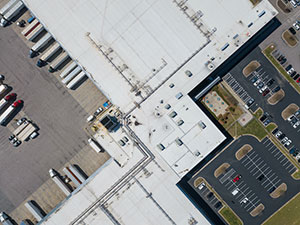
A well-kept commercial roof also contributes to the overall condition and presentation of the property. Roof edges, visible drainage components, flashing, rooftop equipment areas, and exterior surfaces that appear neglected can affect how the building is perceived even when the underlying roofing problem is limited.
Some commercial roofing materials and coatings may also have reflective properties, but energy performance should be discussed in context. Building energy use depends on insulation, HVAC equipment, controls, air leakage, occupancy, climate, and other parts of the building envelope. A roofing recommendation should not rely on a guaranteed utility-savings claim.
Commercial Roofing Experts
A commercial roofing contractor should be able to explain what was observed, what remains uncertain, and why the proposed next step fits the building. The assessment may include the roof surface, seams, flashing, drainage, penetrations, previous repairs, and accessible evidence related to leakage or moisture. If photographs, infrared scanning, testing, or other documentation are important to the decision, the owner should confirm what is included in the actual assessment.
The next action should follow the evidence. A localized defect on an otherwise serviceable roof may support a defined repair. Maintenance may be appropriate when the roof remains serviceable but needs attention to drainage areas, flashing, prior repairs, or other system-specific details. Restoration or coating may be worth evaluating when the existing roof is compatible and preparation requirements can be met. Replacement becomes a broader consideration when deterioration is extensive, concealed conditions limit a smaller scope, or the existing assembly no longer fits the building’s roofing needs.
Before approving work, ask for a written scope that identifies the affected areas, proposed work, exclusions, preparation, access needs, and any conditions that could change the project. For a Burbank commercial property, the useful decision is the scope that matches the current roof and building operations, not the most promotional description of a roofing system. Owners can review project examples in Shark’s gallery and use the contact page to discuss an assessment.
Frequently Asked Questions
How do I know whether my commercial roof needs repair or replacement?
A localized defect may support repair when surrounding materials remain serviceable. Replacement becomes more reasonable when deterioration is widespread, concealed conditions limit repair, or the existing assembly no longer meets the building’s needs.
What should a commercial roof assessment include?
The scope depends on the building, but it can include the roof surface, seams, flashing, penetrations, drainage, previous repairs, and accessible evidence related to leakage or moisture.
What should I watch for between professional roof evaluations?
From safe areas, watch for interior staining, recurring leaks, visible debris near drainage areas, loose materials, or water that appears to remain on the roof after weather events.
Can reflective roofing automatically lower my building’s energy costs?
No. Reflective roofing can affect roof-surface heat gain, but actual energy use also depends on insulation, HVAC equipment, controls, occupancy, climate, and other building conditions.