

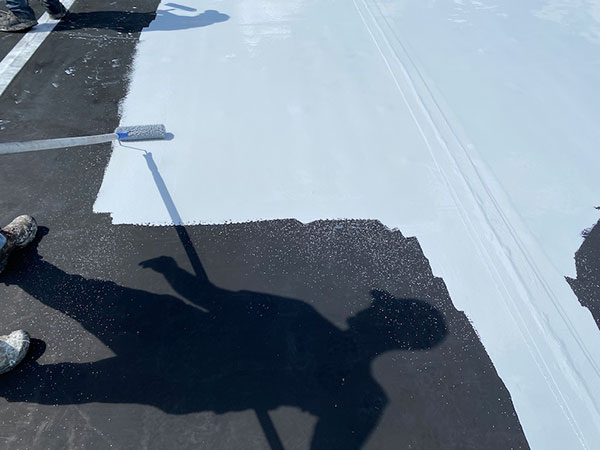
Glendale buildings face long, hot summers, intense sunlight, and cooling demands that can place a significant load on HVAC systems. For building owners, the roof surface can influence how much solar heat reaches the interior and how hard mechanical systems must work. Rubber roof coating can provide a light-colored, reflective surface that reduces solar heat absorption and helps limit heat transfer into the building.
Call Shark Commercial Roofing Systems at (213) 466-0074 for rubber roof coating in Glendale, CA.
Rubber Roof Coating and Solar Heat
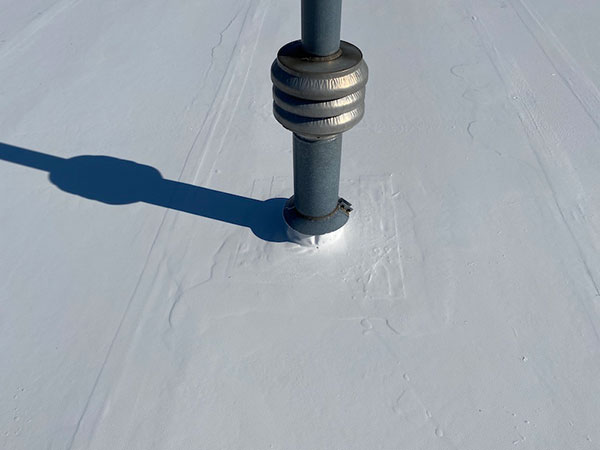
White and light-colored coatings reflect a larger portion of incoming solar radiation than dark roof surfaces. This keeps the roof surface cooler during sunny conditions and can reduce the amount of heat transferred through the roof assembly into occupied spaces.
The benefit is especially relevant during Glendale’s long summer season, when air conditioning systems may operate for extended periods. A cooler roof does not eliminate cooling demand, but reducing heat entering the building can help HVAC equipment maintain indoor temperatures with less work.
Lower Cooling Demand During Glendale Summers
Reducing solar heat gain can support lower cooling loads, particularly in buildings with large roof areas exposed to direct sunlight. When less heat enters through the roof, the building’s cooling system may have less heat to remove during the hottest parts of the day.
Actual utility savings vary by roof construction, insulation, building use, HVAC efficiency, weather, and electricity rates. The strongest results generally come from treating reflectivity as one part of the building’s overall energy strategy rather than expecting the coating alone to produce a fixed percentage reduction in costs.
Reflective Roofing and the Urban Heat Island
Reflective roofs can also have an effect beyond the individual building. Los Angeles County and surrounding urban areas contain extensive paved surfaces and buildings that absorb and retain solar heat. Roofs with high-reflectance surfaces can absorb less sunlight than darker roofs, which may reduce the amount of heat released from those surfaces into the surrounding environment.
For a property manager, the more direct consideration is the building’s own energy performance. A reflective coating can help limit roof-level heat gain while also protecting the existing roof surface from ongoing weather and ultraviolet exposure. The value depends on the roof’s condition and whether the existing system is suitable for coating.
Compatibility and Renewable Warranty Benefits
Rubber roof coatings are not automatically compatible with every existing commercial membrane. Before application, the existing roof needs to be evaluated for material compatibility, adhesion, moisture, damage, and surface condition. Applying a coating over an unsuitable or saturated substrate can lead to adhesion problems and premature failure.
A renewable warranty can add another long-term benefit when the coating system and maintenance requirements support it. Instead of treating the original application as a one-time project, some systems can be recoated at the appropriate interval to renew the protective layer and extend warranty coverage. The specific renewal terms depend on the coating system, application thickness, preparation, inspections, and maintenance requirements.
Rubber Roof Coating for Long-Term Energy Planning
A reflective roof coating can help Glendale property owners manage summer heat gain while protecting an existing roof that remains suitable for restoration. Its energy benefit comes primarily from reducing solar absorption, which can lower heat transfer and potentially reduce HVAC demand.
Owners should evaluate the roof condition, insulation, membrane compatibility, expected energy savings, and warranty terms before choosing a coating.
For rubber roof coating in Glendale, CA, contact Shark Commercial Roofing Systems at (213) 466-0074 today.
FAQ
How much can a reflective rubber roof coating reduce cooling costs for a commercial building in the Glendale area?
There is no universal savings percentage. Results depend on insulation, roof area, HVAC efficiency, building occupancy, existing roof color, weather, and utility rates. A reflective coating can reduce solar heat gain, which may lower cooling demand during sunny periods.
Does a rubber roof coating work on all types of existing flat roof membranes, or are some not compatible?
Compatibility varies by the existing membrane and coating chemistry. The roof should be evaluated and the existing surface identified before application. Moisture, damaged areas, and adhesion conditions also need to be addressed before coating.
How does the renewable warranty on a rubber roof coating work, and what does recoating involve?
A renewable warranty may allow the coating system to receive another compatible application after inspection and required maintenance. Recoating renews the protective surface and may extend warranty coverage when the roof and existing coating meet the system’s requirements.