

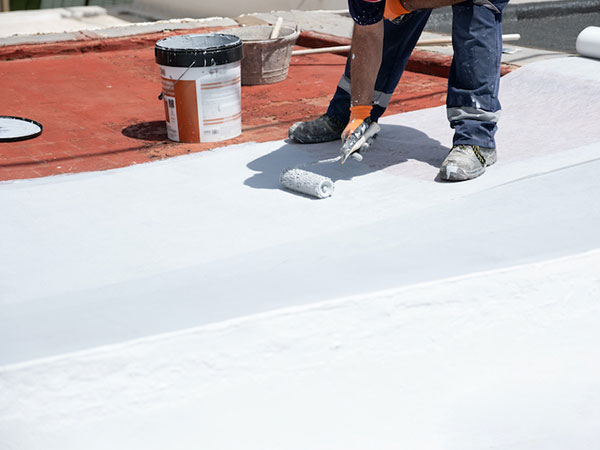
Commercial flat roofs in Glendale are exposed to intense summer sun as well as seasonal rainfall that can test older seals and vulnerable roof details. Because water can enter through small openings long before a major leak appears inside the building, sealing should be part of a planned maintenance cycle. Flat roof sealing helps protect vulnerable roof areas before minor separation or deterioration develops into a larger moisture problem.
Call Shark Commercial Roofing Systems at (213) 466-0074 for flat roof sealing in Glendale, CA.
Flat Roof Sealing Protects Vulnerable Roof Details
Field seams are among the first areas that can develop sealing problems because they join separate membrane sections and experience repeated movement. Flashing transitions around walls, curbs, and equipment bases can also deteriorate as materials expand, contract, and weather over time.
Drain perimeters and roof penetrations deserve regular attention as well. Drains collect water and debris, while penetrations create openings where pipes, equipment supports, or other components pass through the roofing system. Aging sealant, movement, or damaged flashing around these points can create paths for moisture.
Preparing Commercial Roofs for Seasonal Rain
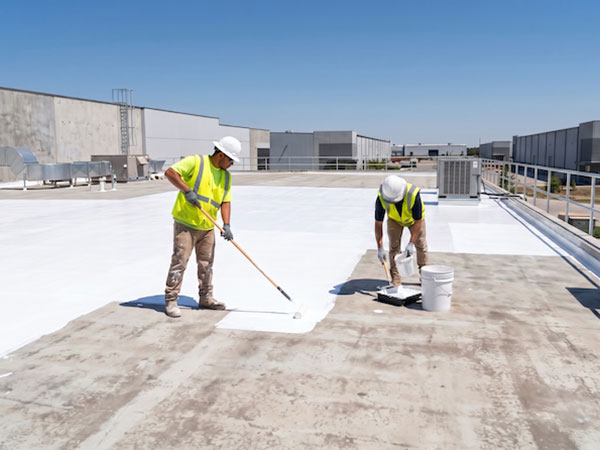
A small opening may seem harmless during dry weather, but Glendale’s rainy season can expose weak points quickly. Water can collect around low areas, drains, seams, and penetrations, increasing the chance that an already deteriorated seal will allow moisture beneath the roof surface.
Scheduling sealing work before heavier seasonal rainfall gives property managers an opportunity to address vulnerable areas under more controlled conditions. The roof surface can be inspected, cleaned, and prepared before compatible sealants or other repair materials are applied.
Building Flat Roof Sealing Into Routine Maintenance
Flat roof sealing works best as one part of a broader commercial roof maintenance program. Regular inspections can identify loose or deteriorated seals, blocked drains, damaged flashing, and other conditions that may require attention. Addressing these findings during planned service can make repair needs easier to budget.
Maintenance also creates a record of the roof’s changing condition. Documented inspections and sealing work allow property managers to track recurring problem areas, confirm when repairs were completed, and plan future service before small deficiencies become emergency issues.
Making Commercial Roof Costs More Predictable
Proactive sealing can reduce the chance that a minor defect turns into water intrusion involving insulation, interior finishes, equipment, or stored materials. Planned maintenance does not prevent every leak, but it gives owners more opportunities to address vulnerable areas before damage becomes extensive.
A regular schedule also makes roof care more predictable. Instead of waiting for an interior stain or active leak to trigger a response, property managers can coordinate inspections and sealing work around seasonal conditions, building operations, and the known condition of the roof.
Planning Flat Roof Sealing in Glendale
Flat roof sealing is most effective when it is treated as routine preventative care rather than a response to the first visible leak. Paying attention to seams, flashing transitions, drains, and penetrations can help protect the roof through Glendale’s seasonal rain and reduce unexpected repair demands.
For flat roof sealing in Glendale, CA contact Shark Commercial Roofing Systems at (213) 466-0074 today.
FAQ
How often should flat roof sealing be done as part of a routine maintenance program?
There is no single interval for every commercial roof. Frequency depends on the roofing system, age, weather exposure, previous repairs, and condition of vulnerable areas. Regular professional inspections can determine when sealing needs attention and help establish a practical maintenance cycle.
What parts of a flat roof lose their seal first, and why are those areas more vulnerable?
Field seams, flashing transitions, drain perimeters, and penetrations commonly receive extra wear because they join materials, handle movement, or interrupt the continuous roof surface. Weather exposure, standing water, aging sealants, and building movement can accelerate deterioration in these areas.
Is flat roof sealing something a building owner can detect the need for, or does it require a professional inspection?
Owners may notice cracked sealant, separated seams, damaged flashing, or visible water marks, but some deterioration develops beneath or around roof components where it is harder to see. A professional inspection can evaluate these areas and identify problems before they result in active leaks.