

Commercial roof inspection in Van Nuys, CA should give a property owner usable evidence for the next decision, not just a list of observations. The report should show where conditions were found, what is known, what remains uncertain, which items deserve priority, and what should trigger maintenance, repair, further investigation, or replacement planning.
Shark Commercial Roofing Systems provides commercial roof inspection services in Van Nuys, including full-surface infrared scanning with drone technology where appropriate. Call (213) 466-0074 to discuss an inspection for your building.
Why Roof Inspection Should Be the Foundation of Roof Maintenance
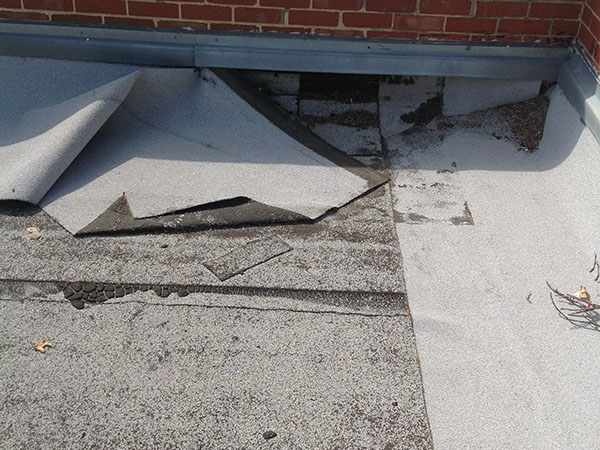
A useful maintenance plan starts with documented roof conditions. An inspection can identify visible membrane wear, punctures, open or deteriorated flashing, drainage concerns, damaged details, and other conditions that deserve attention. The important next step is to distinguish what needs repair now from what can be monitored and what requires more investigation before a scope is set.
Inspection timing should reflect the building, roof system, exposure, known history, and recent events. A severe storm, a new leak, repeated drainage trouble, rooftop equipment work, or a change in a previously monitored area can justify an earlier review instead of waiting for a routine calendar date.
Organized records also help owners compare conditions over time. Inspection reports, repair records, dated photographs, and maintenance documentation can support planning and help show whether a condition is stable, recurring, or getting worse.
Advanced Roof Inspection Technology Finds Hidden Problems
Some roof conditions are not obvious from a visual surface review. Infrared scanning can identify temperature differences that may be associated with moisture or other subsurface conditions. Shark Commercial Roofing Systems uses full-surface infrared scanning with drones and has a licensed drone pilot on staff, which can help document large roof areas without treating every visible surface condition as the whole story.
A thermal anomaly is an indicator, not automatic proof of wet insulation or hidden damage. When a thermal finding will affect a repair recommendation, moisture conclusion, or replacement scope, it should be confirmed with an appropriate direct or system-specific check before being treated as established fact. The confirmation method depends on the roof assembly, access, project needs, and what the inspection is trying to verify.
The report should distinguish suspected conditions from confirmed findings. That prevents a thermal image from becoming a diagnosis by itself and gives the owner a clearer basis for deciding whether to monitor, test, repair, or investigate further.
How Roof Inspections Help Avoid Unnecessary Repairs
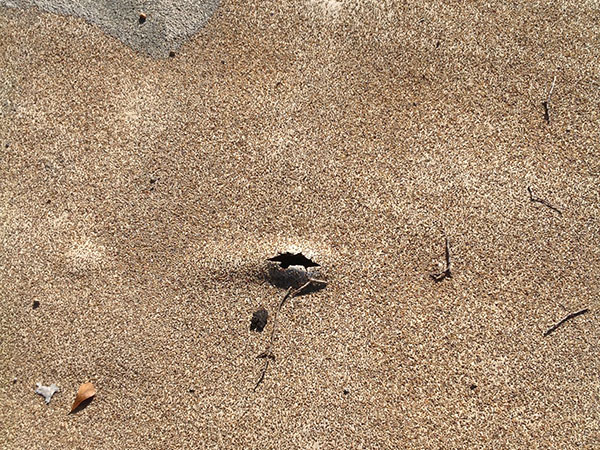
A small puncture, open flashing detail, deteriorated sealant, drainage obstruction, or localized membrane defect does not automatically mean the entire roof needs replacement. At the same time, a visible stain or leak does not prove that the problem is limited to the area directly above it. Inspection evidence should define the condition before the owner approves a repair scope.
That evidence can also show when a localized repair is no longer enough. Repeated failures in several areas, broad moisture concerns, deteriorated substrate, or conditions that cannot be isolated confidently may justify a broader assessment before more repairs are authorized.
For a related service path, Shark’s commercial roof repair information explains the repair side of that decision. The inspection report should remain the evidence source for deciding what work is actually justified on the Van Nuys property.
What Building Owners Should Receive After a Roof Inspection
A useful inspection report should be clear enough for the building owner or facility manager to understand what was found and what should happen next. The exact format can vary, but the report should cover the evidence needed to support a maintenance, repair, or replacement decision.
| Report Element | What It Should Clarify |
|---|---|
| Dated photographs | Visual evidence tied to the inspection date so future reviews can compare the same area over time. |
| Defect locations | Specific roof areas, details, drains, penetrations, or zones rather than vague references to a general problem. |
| Moisture findings and limitations | Which areas are suspected, which are confirmed, what method was used, and what still needs further verification. |
| Prioritized actions | Which items need prompt attention, which can be scheduled, and which can reasonably be monitored. |
| Reinspection triggers | What change, event, or recurring symptom should prompt an earlier follow-up instead of waiting for the next routine review. |
If the report leads to a scoped estimate, the estimate should reference the documented findings directly. That helps the owner see why each proposed item is included and which conditions remain outside the current scope. It also makes it easier to separate confirmed work from optional, contingent, or further-investigation items.
Protect Your Investment with Professional Roof Inspection
Roof inspection gives owners a structured way to move from observations to decisions. Visual findings, infrared information, confirmation of suspect areas where needed, dated documentation, and clear priorities can help determine whether the next step is maintenance, repair, additional investigation, or replacement planning.
For roof inspection in Van Nuys, CA, contact Shark Commercial Roofing Systems at (213) 466-0074.
Frequently Asked Questions
How often should a commercial roof be inspected?
Inspection timing depends on the roof system, building use, exposure, known condition, maintenance history, and recent events. Storms, new leaks, drainage changes, or rooftop work can justify an earlier inspection.
What can infrared roof scanning show?
Infrared scanning can identify temperature differences that may be associated with moisture or other subsurface conditions. Those findings should be interpreted in the context of the roof assembly rather than treated as automatic proof of damage.
When does a thermal finding need confirmation?
When the finding will affect a repair recommendation, moisture conclusion, or replacement scope, it should be confirmed with an appropriate direct or system-specific check before it is treated as established fact.
What should an owner receive after a roof inspection?
A useful report should include dated photographs, specific defect locations, moisture findings and limitations, prioritized actions, and reinspection triggers, along with enough detail to connect any later estimate to the documented conditions.