

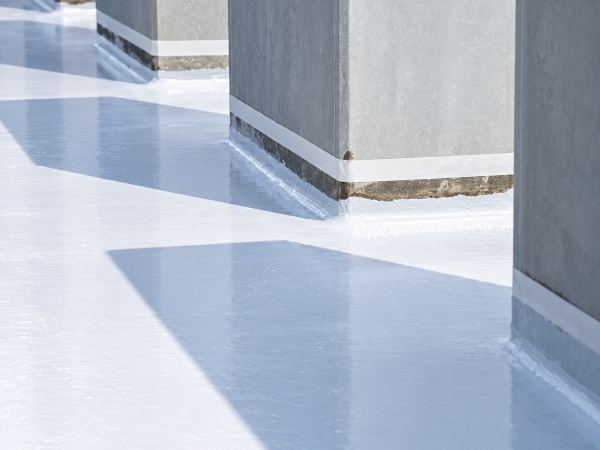
Acrylic roof coating in West Covina, CA can be a useful restoration option for a commercial flat or low-slope roof when the existing roof remains a suitable base for coating. Shark Commercial Roofing Systems provides acrylic coating services for commercial properties, but the decision should follow the roof’s drainage, moisture, adhesion, repairs, surface condition, and the application requirements of the selected system.
The first question is not whether acrylic is broadly reflective or convenient to install. It is whether the roof underneath is dry enough, stable enough, compatible, and repairable enough to support the coating without hiding defects that need separate correction.
What Acrylic Roof Coating Is
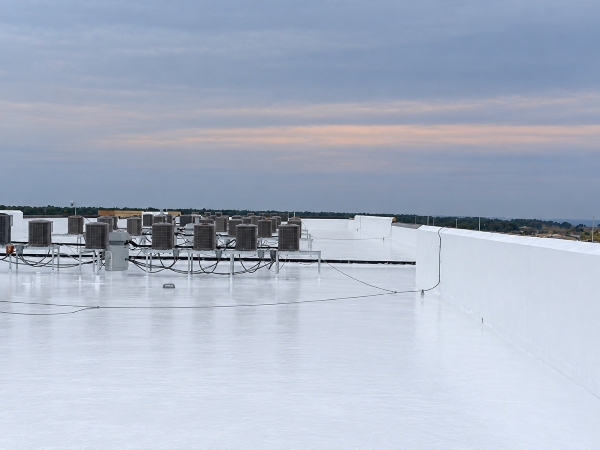
Acrylic roof coating is a water-based, liquid-applied layer that is rolled or sprayed over an existing flat or low-slope roof. As it cures, it forms a continuous reflective surface over a properly prepared roof. It may allow a serviceable roof to be restored without full replacement, but wet, unstable, failed, or incompatible materials may still need repair or removal first.
The reflective surface can reduce the heat the roof absorbs, which matters during hot San Gabriel Valley summers. How much that affects cooling costs depends on the building and its insulation, so it is a possible benefit and not a promised saving.
What Decides Whether Acrylic Fits Your Roof
An inspection looks at the conditions below. Each one points toward coating, or toward work that has to happen first:
| Condition | Favors Acrylic Coating | Raises a Concern |
|---|---|---|
| Ponding water | Observed drainage conditions are suitable for the selected acrylic system | Recurring standing water, blocked drains, low areas, or slope conditions that may make acrylic unsuitable or require drainage work |
| Moisture in the roof | No confirmed widespread wet insulation or trapped moisture in the areas evaluated | Wet insulation or trapped moisture beneath the surface |
| Surface condition and adhesion | Prepared surface is stable and compatible with the selected acrylic system | Lifting, blistering or poor bonding in multiple areas |
| Seams, flashing and penetrations | Isolated defects that can be repaired before coating | Widespread failure around seams, edges or penetrations |
| Weather during application | Weather and surface conditions meet the selected product’s application and cure requirements | Rain, dew, temperature, humidity, or other conditions outside the selected product’s requirements |
| Overall roof condition | Decking and roofing material largely intact | Deteriorated decking or widespread material breakdown |
Ponding deserves separate evaluation. Acrylic systems are often selected for roofs that drain well, while some silicone systems may be considered where recurring standing water is part of the roof condition. Neither coating fixes blocked drains, low areas, slope problems, or damaged drainage components. If ponding is present, drainage conditions should be evaluated and the selected silicone coating or acrylic system should be checked against the actual roof and product requirements.
What to Notice Before You Call
You do not need to climb onto the roof to gather useful information. Staff can note ceiling stains or damp spots inside, water that stays on the roof after rain if it is visible from a window or a safe vantage point, and areas where the roof surface looks cracked, chalky or worn. Photos with dates help an inspector understand how the roof has changed. Roof access should be left to a qualified crew.
Repairs Come Before Coating
A coating should not be used to cover deteriorated deck areas, known wet insulation, open seams, failed flashing, or other unresolved roof defects. Those problems are handled first through repair or, where damage is widespread, a different approach. Those conditions should be repaired or otherwise addressed before the restoration coating is applied.
The Acrylic Coating Process
Inspection and Preparation. The roof is inspected, cleaned and repaired, and an adhesion check confirms the coating will bond to the existing surface.
Application. Coverage rate, finished thickness, number of passes, weather limits, and cure time should follow the selected acrylic product specification. There is no universal rule that every acrylic roof requires the same number of coats or the same cure interval.
Application Acceptance. The finished surface is checked for even coverage, missed spots and thin areas before the work is considered complete.
Follow-Up Inspection. A coated roof still needs condition reviews and maintenance. Timing should reflect drainage, rooftop traffic, repairs, exposure, equipment work, and any written maintenance requirements that apply to the installed system.
What a Coating Scope Should Include
A written scope for coating should state what repairs will be completed first, how the roof will be cleaned and prepared, how adhesion will be confirmed, the specified coverage or thickness, application sequence, and how weather delays will be handled. It should also say what is excluded, such as wet insulation or drainage corrections, so you know whether any underlying problems are covered. When you compare proposals, check that each one covers comparable preparation, repairs, product requirements, coverage, and exclusions so the proposals describe the same scope.
Acrylic Roof Coating in West Covina
If your commercial building is in West Covina, CA, Shark Commercial Roofing Systems can assess the roof, explain what we find and recommend the right approach. To see how we evaluate a nearby building, read our guide to acrylic roof coating in City of Industry. Contact us at (213) 466-0074 to schedule an inspection.
Frequently Asked Questions
Is acrylic roof coating a good choice if my roof has ponding water?
Not automatically. Acrylic systems are often selected for roofs that drain well. Recurring ponding should be evaluated separately, and drainage correction or another compatible coating system may be appropriate depending on the roof.
Can acrylic coating fix leaks in my roof?
Not by itself. Leaks and open seams are repaired before coating, because the coating protects a sound roof surface and does not replace needed repairs.
Does weather affect when acrylic coating can be applied?
Yes. Application depends on the selected product’s temperature, surface-moisture, rain, dew, humidity, and cure requirements.
Will a coated roof still need inspections?
Yes. Review timing should reflect drainage, rooftop traffic, repairs, exposure, equipment work, and any written maintenance requirements that apply to the installed system.