

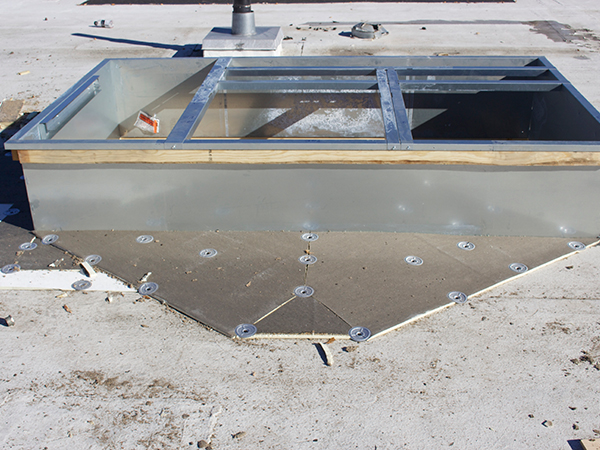
Commercial buildings in Glendale require roofing work that accounts for larger roof areas, rooftop equipment, drainage systems, access limitations, and ongoing business operations. Commercial roofing also involves different materials, safety practices, equipment, and documentation than most residential projects. Commercial roofers work with the systems and conditions found on commercial properties and understand the planning required to maintain or replace them.
Call Shark Commercial Roofing Systems at (213) 466-0074 for commercial roofers in Glendale, CA.
Specialized Knowledge of Commercial Roofers
Commercial roofers commonly work with low-slope roofing systems that are designed for large, relatively flat surfaces. These can include TPO, EPDM, PVC, modified bitumen, spray polyurethane foam, and various roof coating systems. Each material has different installation requirements, drainage considerations, and maintenance needs.
Residential roofing often centers on pitched roofs covered with asphalt shingles or other steep-slope materials. Commercial roofers need a different understanding of membrane seams, flashing around rooftop penetrations, drainage assemblies, insulation layers, and the ways water moves across a low-slope roof.
The scale of commercial buildings also changes how roofing work is planned. A large warehouse, office building, or retail property may have thousands of square feet of roofing, multiple roof sections, HVAC equipment, drains, skylights, and other penetrations that must be considered during an inspection or project.
Commercial Roofing Requires Different Access and Equipment
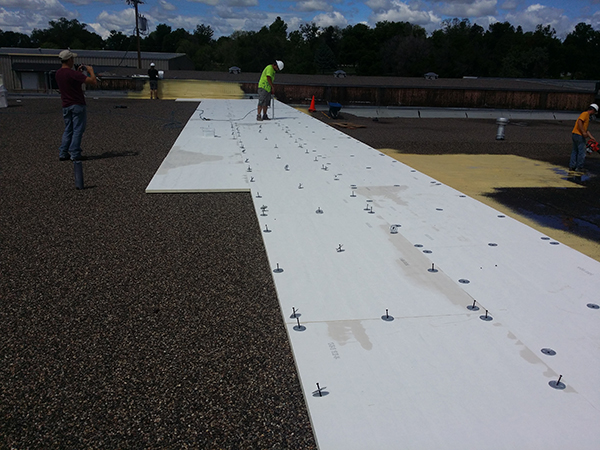
Access is another major difference between commercial and residential roofing. Commercial roofs may require specialized access equipment, fall protection systems, material handling equipment, and procedures for moving materials across larger roof areas.
Rooftop equipment can also affect how work is performed. HVAC units, vents, pipes, electrical equipment, and other penetrations need to remain protected while roofing teams inspect, repair, or replace surrounding materials. Planning around these obstacles helps reduce the risk of damage and unnecessary disruption.
Commercial properties may also remain occupied throughout a roofing project. Work may need to be scheduled around employees, tenants, deliveries, customers, or sensitive business operations. A commercial roofer should account for these conditions when developing the project schedule and site procedures.
Inspection and Documentation Practices
Commercial roofing involves more than completing the physical work. Building owners and property managers often need records that show the condition of the roof, work that was performed, materials used, and recommendations for future maintenance.
A professional inspection should document conditions such as membrane deterioration, seam problems, damaged flashing, drainage restrictions, and areas of potential moisture intrusion. Photographs and written findings can give property owners a clearer record of what was observed and what needs attention.
Documentation also supports long-term planning. Keeping inspection and repair records allows a property manager to compare roof conditions over time. It can also help when reviewing warranties, planning capital improvements, evaluating a property, or explaining maintenance decisions to ownership.
Why Commercial Roofers Need Appropriate Coverage
Commercial roofing projects can involve significant property exposure, elevated work areas, heavy materials, specialized equipment, and occupied buildings. Insurance coverage and licensing should therefore be verified before work begins, with requirements depending on the jurisdiction and project.
Building owners should ask contractors to provide proof of applicable licensing, general liability insurance, and workers’ compensation coverage. They should also review the written scope of work and understand who is responsible for specific site conditions, cleanup, protection of equipment, and warranty documentation.
Choosing Commercial Roofers for a Glendale Property
Commercial roofing requires knowledge that extends beyond placing roofing materials on a building. System selection, low-slope drainage, rooftop access, safety procedures, documentation, and project coordination all affect the outcome.
For commercial roofers in Glendale, CA, contact Shark Commercial Roofing Systems at (213) 466-0074 today.
FAQ
What types of roofing systems do commercial roofers typically work with that residential roofers do not?
Commercial roofers commonly work with TPO, EPDM, PVC, modified bitumen, spray foam, and coating systems. These materials are frequently used on low-slope commercial roofs and require different installation and maintenance knowledge than standard residential shingles.
What insurance and licensing should a commercial roofer carry before working on a commercial building?
Building owners should verify applicable contractor licensing along with general liability and workers’ compensation coverage. Requirements can vary based on location and project scope, so documentation should be reviewed before work starts.
How do commercial roofers approach a job differently from residential roofers?
Commercial projects often require more planning around rooftop equipment, large work areas, fall protection, material handling, drainage, occupied buildings, and documentation. Scheduling may also need to accommodate employees, tenants, customers, and daily business operations.