

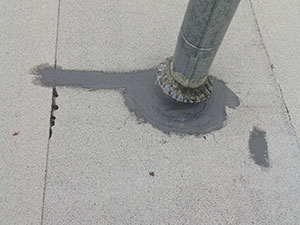
Flat roof repair in Burbank, CA can be appropriate when the damage is a defined defect, such as a split seam, a failed flashing detail or a puncture, and the roof around it is still sound. When moisture has spread, the same problem keeps coming back or the cause is unclear, the better first step is a broader assessment before anyone prices a repair. Shark Commercial Roofing Systems has been in business since 1983 and works with commercial property owners, and this guide explains how to tell the two situations apart.
Flat commercial roofs provide usable space for rooftop equipment, but their seams, drainage and penetrations need periodic attention. Weather, debris buildup and the natural aging of the roofing system all take a toll. A flat roof needs a closer look when it shows leaking, ponding water, cracks or visible deterioration, because timely repair keeps a small problem from becoming a larger one.
What Makes a Flat Roof Defect Repairable
A localized repair is most promising when the defect is defined, surrounding materials are serviceable and the cause has been identified. Concealed moisture may still need investigation before the repair area is fixed. An isolated puncture is one example. A short seam separation may also be repairable, provided the seam and surrounding material can accept the selected method.
Repair is harder to justify when the cause is still unknown. Water can travel between roof layers before it appears inside the building, so the place where a leak shows up often differs from the place where it starts. A repair proposal based solely on an interior stain may miss the actual entry point.
Matching Symptoms to Inspection Evidence
The table below shows how common symptoms connect to the evidence a contractor should be able to show you. It does not diagnose a roof by itself. It helps you see what should be documented before a scope is set.
| What the owner sees | Evidence to ask for | What it may mean for the repair scope |
|---|---|---|
| A seam that has opened or a patch that has lifted | Close-up photos of the seam, its location on a roof plan, and the condition of the membrane on both sides | A defined seam repair may be enough when the surrounding membrane is sound. Widespread seam movement can call for a larger scope. |
| Leaking near a vent, pipe, drain or rooftop unit | Photos of the flashing and sealant at that penetration, plus drain and curb details | A detail repair may solve a localized entry point. Repeated failures at several penetrations may point to a broader flashing assessment. |
| Ponding water that remains well after rain | Notes on where water collects, whether drains are clear, and whether the low area is growing | Clearing a drain may be enough. Persistent ponding can mean a drainage correction or a wider review of the roof surface. |
| A ceiling stain or damp spot inside the building | Dated photos, any moisture-screening results, and a statement of what the findings cannot confirm | A stain shows where water became visible, not necessarily where it entered, so the roof itself needs to be assessed before the repair area is set. |
| Cracks, blisters or punctures in the membrane | Photos of each defect, the membrane type, and whether the surrounding material is brittle or wet | Isolated damage may support a section repair. Many defects in one area suggest the condition of the whole area should be reviewed. |
| Leaks that return after an earlier repair | Records of prior repairs, their locations and what was done | Repeated leakage warrants checking whether the original cause was resolved and whether surrounding materials remain serviceable. |
Moisture screening can be part of that evidence. Shark’s evaluations can include full-surface infrared scanning by a licensed drone pilot, depending on the property and the question being answered. A thermal scan can identify temperature differences that deserve a closer look. It does not confirm wet insulation by itself, so findings usually need a direct check before they shape the scope. For the details a good report should include, see what a commercial roof inspection report should include.
Flat Roof Repair Options
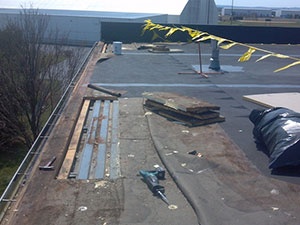
Different kinds of damage call for different repair approaches. Small openings may be repaired with compatible membranes, patches, seam materials or sealants selected for the existing roof system. Depending on the cause and extent, punctures, blisters or damaged sections may require a system-specific patch or removal of affected material. Any new material has to be compatible with what is already on the roof, whether that is EPDM, TPO, PVC or another system, because a mismatched patch can fail at its edges.
The same logic applies to details. Flashing at curbs, vents and edges is a common leak point, and a repair there may mean resealing, replacing a flashing component or both. The right method depends on the roof type, the condition of the surrounding materials and what the inspection found. A quote should say which method applies and why.
Access, Staging and What a Repair Quote Should Say
Access affects how a repair is planned. A roof with a ladder or hatch, limited staging space or equipment that has to be worked around is planned differently from an open, easily reached roof. Tenants, deliveries and parking can also affect when work can happen, so it helps to raise those points before the proposal is written.
A clear repair quote usually answers a few practical questions:
- Which area of the roof is covered, and how was it identified?
- What method and materials will be used, and are they compatible with the existing roof?
- What preparation is included, such as cleaning, removing damaged material or sealing edges?
- What happens if concealed damage, such as wet insulation, is found once the area is opened?
- What documentation will you receive when the work is finished?
If two quotes differ, compare these answers before comparing totals. A lower number may simply cover a smaller area or leave out preparation.
Maintenance and Drainage Reduce Repeat Repairs
Regular roof maintenance protects both the roof and the interior spaces below it, and a qualified inspector can often find minor problems before they become costly. Inspection timing should reflect the roof system, previous leaks, rooftop activity and applicable maintenance requirements, with additional checks following damaging weather. Keeping the roof clear of debris and making sure water can leave the surface matters just as much, because standing water can increase exposure at vulnerable details. Blocked drainage outlets can contribute to ponding, which is why drainage deserves attention at every visit.
Owners who want to understand the cause of an active leak before deciding on a repair can also read our guide to flat roof leak repair in Burbank.
When Repair Is No Longer the Right Answer
Repair stops being the sensible choice when the evidence points beyond a single defect. Wet insulation across a wide area, repeated failures in different places and a roof near the end of its service life all suggest that the whole assembly should be reviewed. In those cases, a full assessment can show whether a larger repair, restoration or replacement fits the building better than another patch.
The decision should rest on documented findings, not on roof age alone. A well-kept older roof with an isolated defect can still be a good repair candidate, while a newer roof with spreading moisture may not be. Asking the contractor to explain what the findings show, and what they cannot show, makes the next step easier to evaluate.
Talk With a Burbank Flat Roof Repair Team
If your Burbank building has a flat roof that is leaking, ponding or showing visible wear, Shark Commercial Roofing Systems can help you sort out whether the problem calls for a defined repair or a broader look. Contact the team or call (213) 466-0074 to get started.
Frequently Asked Questions
How can I tell whether a flat roof leak needs a repair or a larger assessment?
A defined defect may be repairable when surrounding roof materials are suitable and any moisture concerns have been evaluated. Spreading moisture, repeated leaks or an unclear source point toward a broader assessment first.
Does an interior ceiling stain show where the roof is leaking?
Not reliably. Water can travel before it shows up inside, so a stain shows where water became visible, not necessarily where it entered the roof.
What should a flat roof repair estimate include?
It should name the repair area, the method and materials, the preparation, how concealed damage will be handled and what documentation you will receive.
Can my staff check the roof themselves?
Staff can watch for changes from the ground, from windows or from inside the building, such as new stains or recurring damp spots. Getting onto the roof should be left to a qualified crew.