

Commercial roofing costs can vary significantly from one project to another. Property owners often focus on the final price, but understanding the factors behind that cost can help with budgeting and planning. Whether you’re considering repairs, restoration, or a complete replacement, several key elements influence the overall investment required for a commercial roofing project.
For a closer look at specific systems, read our guides to TPO roofing costs in Los Angeles and modified bitumen and built-up roof replacement costs.
Reach out to the experts at Shark Commercial Roofing Systems for all your commercial roofing needs. Call 213-466-0074 today and schedule a consultation.
Commercial Roofing Cost Factors Los Angeles (2026 Pricing)
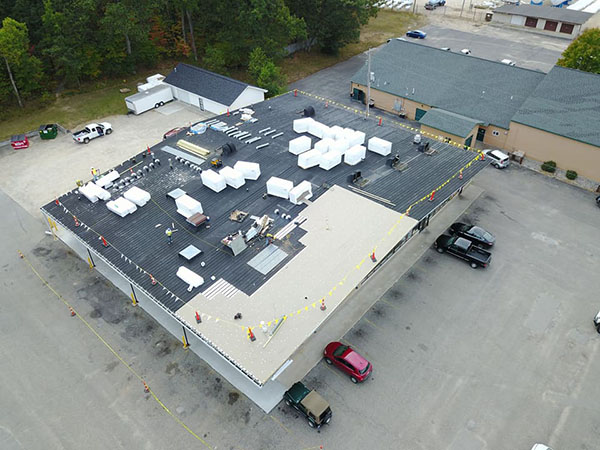
At Shark Commercial Roofing Systems, we help property owners throughout Los Angeles, CA understand the variables that affect roofing costs so they can make informed decisions for their buildings.
Labor
Labor is one of the largest components of any commercial roofing project. Roofing professionals must safely remove existing materials, prepare the roof surface, install new systems, and ensure all work meets local building requirements.
In Los Angeles, labor costs can be influenced by:
- Project complexity
- Roof height
- Safety requirements
- Crew size needed
- Project timeline
Roofs with multiple penetrations, HVAC units, skylights, or unique architectural features typically require additional labor and installation time, which can increase overall costs.
Materials
The type of roofing material selected has a major impact on project pricing. Different commercial roofing systems vary in both upfront cost and long-term performance.
Common commercial roofing materials include:
- TPO roofing
- PVC roofing
- EPDM roofing
- Modified bitumen
- Built-up roofing systems
- Roof coatings and restoration systems
Material costs are influenced by product quality, insulation requirements, energy-efficiency goals, and warranty options. While some systems may have a higher initial investment, they can provide lower maintenance costs and longer service life over time.
Property owners should evaluate both short-term and long-term value when selecting a commercial roofing system.
Permits
Most commercial roofing projects require permits and inspections before work begins. Permit requirements help ensure roofing systems comply with local building codes and safety standards.
Permit-related costs may include:
- Application fees
- Inspection fees
- Plan review costs
- Code compliance requirements
Los Angeles building regulations can vary depending on the scope of the project and the type of property involved. Working with an experienced commercial roofing contractor helps streamline the permitting process and reduce potential delays.
Roof Access
The accessibility of a roof can significantly affect installation costs.
Easy-to-access buildings generally allow crews to transport materials and equipment more efficiently. However, projects become more complex when roofs are located on:
- High-rise buildings
- Dense urban properties
- Facilities with limited staging areas
- Structures requiring specialized equipment
Additional equipment such as cranes, lifts, or material hoists may be necessary for some projects. These logistical requirements can increase labor hours and equipment expenses.
Roof access challenges are especially common in heavily developed areas of Los Angeles where surrounding buildings and traffic patterns can affect project operations.
Building Size
The overall size of a commercial building is another major cost factor. Larger roofs require more materials, labor, and installation time than smaller structures.
However, roofing costs are not always calculated strictly by square footage. Other considerations include:
- Roof layout complexity
- Number of roof sections
- Drainage systems
- Existing roof conditions
- Insulation requirements
A large roof with a simple design may sometimes be more cost-effective to install than a smaller roof with multiple elevations, penetrations, and complex details.
Planning for Commercial Roofing Costs
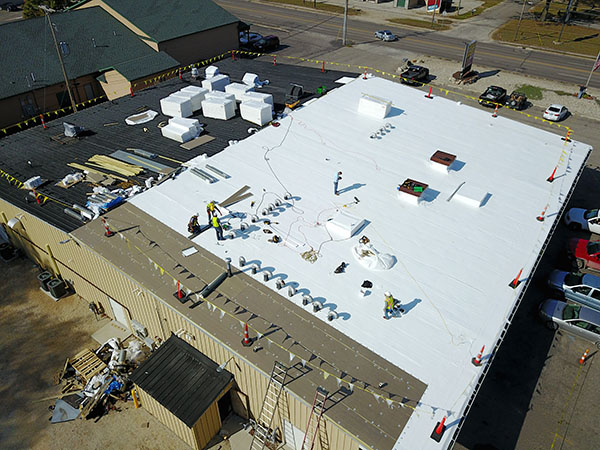
Every commercial roofing project is unique. Labor, materials, permits, roof accessibility, and building size all contribute to the final project cost. Understanding these factors helps property owners develop realistic budgets and avoid surprises during the roofing process.
For commercial property owners in Los Angeles, working with Shark Commercial Roofing Systems ensures accurate assessments, detailed project planning, and roofing solutions tailored to the building’s specific needs.
To learn more, call 213-466-0074 and speak with an expert today.
FAQ
How often should a commercial roof be professionally inspected?
Most commercial roofs benefit from professional inspections at least twice per year, typically in the spring and fall, along with inspections after major weather events.
Can a commercial roof be restored instead of replaced?
In many cases, yes. If the existing roof remains structurally sound, restoration systems or coatings may extend roof life without requiring a complete replacement.
Does roof insulation affect energy efficiency?
Yes. Proper insulation helps regulate indoor temperatures, reduce HVAC strain, and improve overall building energy performance.
What is the best time of year for commercial roofing work in Los Angeles?
Commercial roofing projects can often be completed year-round in Southern California, though scheduling may depend on contractor availability and project scope.
Why is preventive maintenance important for commercial roofs?
Routine maintenance helps identify small issues before they become larger problems, potentially reducing repair expenses and extending roof lifespan.